My name is Kelsey and I’m a media and entertainment lawyer.
I’m also an internationally recognised expert in artificial intelligence.
My name is Kelsey and I’m a media and entertainment lawyer.
I’m also an internationally recognised expert in AI.
Three years before ChatGPT was released and the Hollywood strikes put AI in the headlines, I was asking how it might impact those working in film and television. Because I’ve always approached AI as someone who wanted to be an actor or a writer herself, but did a law degree instead.
It was my passion for the screen sector that led me to write one of the first peer-reviewed papers in the world to explore AI from a legal perspective: Do Deepfakes Pose a Golden Opportunity? Considering whether English law should adopt California's publicity right in the age of the deepfake (Journal of IP Law & Practice, Oxford University Press 2019).
Today, I focus on the media and entertainment industy almost exclusively, and my clients are as varied as the work itself. I’ve advised actors, writers, musicians, producers, historical venues, camera equipment and prop hire companies, as well as technology companies, ecommerce businesses, and retailers. I also regularly provide AI guidance and training to broadcasters, cultural institutions, and industry bodies including Film London, BAFTA, the Heritage Filming Alliance, and ScreenSkills.
While advising on AI might be my raison d’être, I still enjoy taking on more “traditional” media and entertainment work, too — whether that’s writing and negotiating contracts, advising on intellectual property and data regulations, or speaking at film festivals.
Three years before ChatGPT and the Hollywood strikes put AI in the headlines, I was thinking about how the technology might impact people working in film and television. Because I’ve always approached AI as someone who wanted to be an actor or a writer herself, but did a law degree instead. It was my passion for the screen sector that led me to write one of the first peer-reviewed papers in the world to explore AI from a media law perspective: Do Deepfakes Pose a Golden Opportunity? Considering whether English law should adopt California's publicity right in the age of the deepfake (2019). Since then, I’ve advised actors, writers, musicians, producers, historical venues, camera equipment and prop hire companies, as well as technology companies, ecommerce businesses, and retailers. I often speak on the news and at industry events, as well provide training to broadcasters, cultural institutions, and industry bodies like Film London, BAFTA, ScreenSkills, and the Heritage Filming Alliance.While advising on AI might be my raison d’être, I still enjoy taking on more “traditional” media and entertainment work, too — whether that’s advising on location agreements, intellectual property, or privacy matters.THE LAW IS A
HUMAN STORY
—this one is mine.
Recent Highlights
-
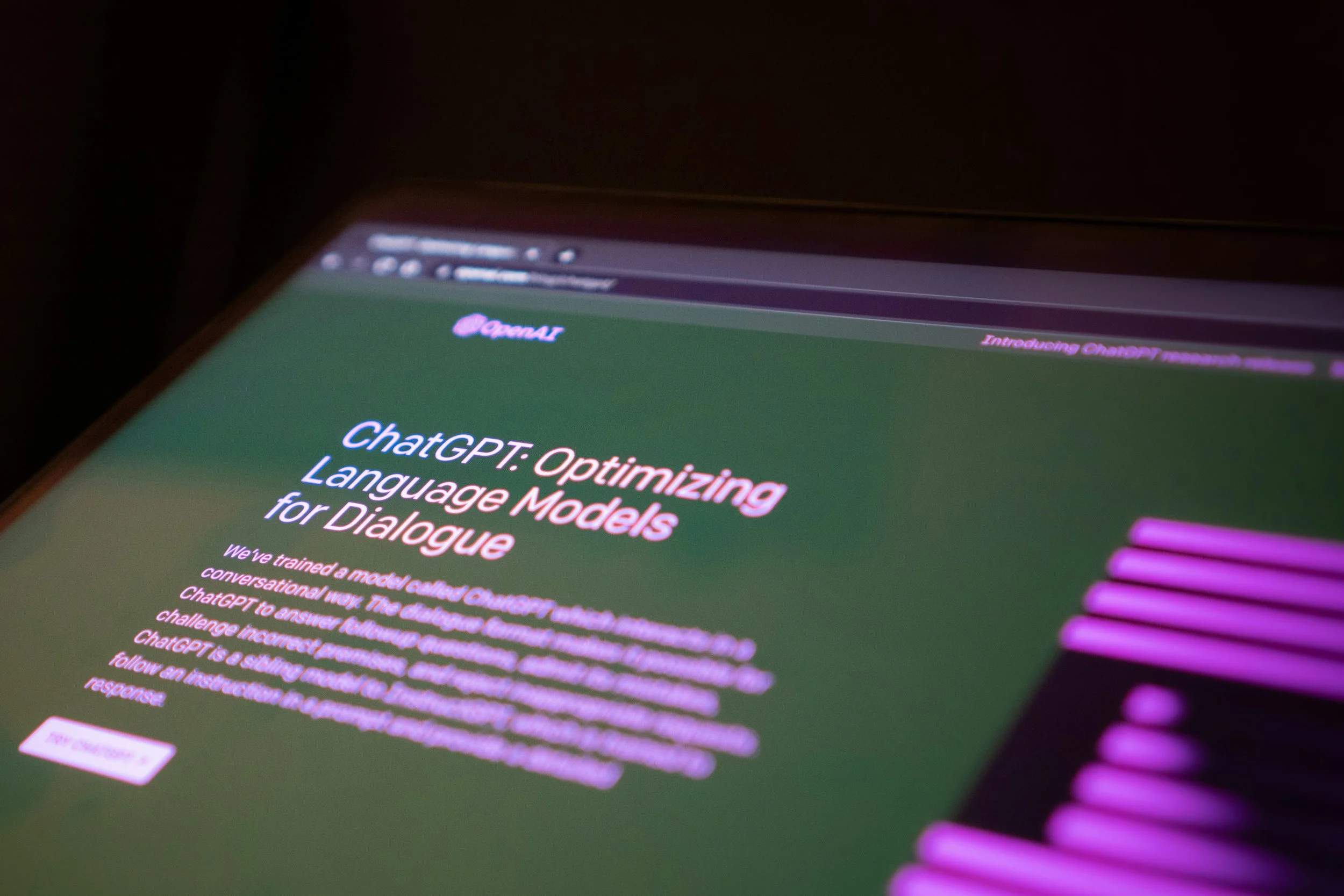
Voice cloning
CLIENT: VOICE ACTOR
COUNTERPARTY: OpenAI
—
Advising an actor on their voice licensing agreement for use across ChatGPT and other services. -
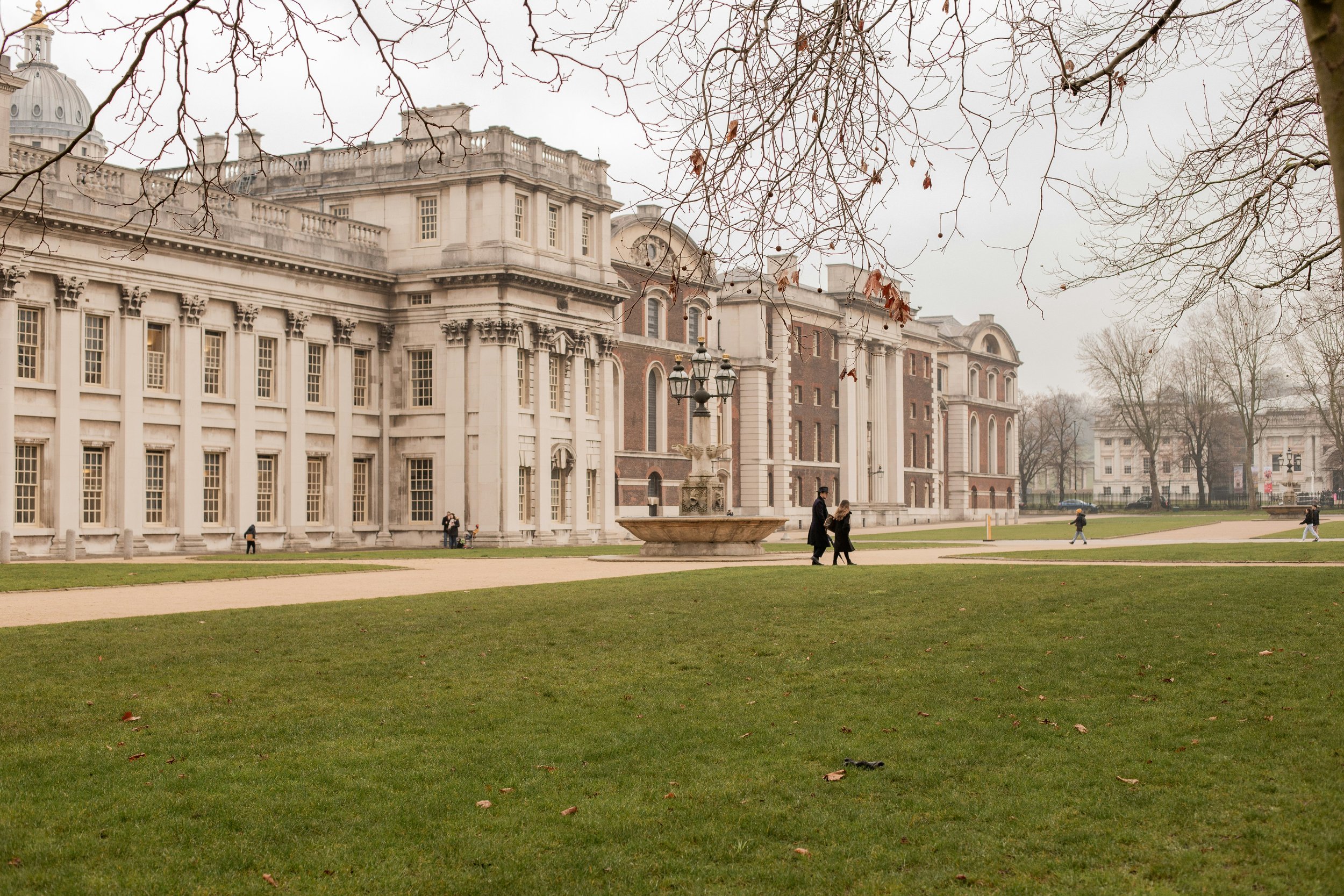
Film Location Agreement
CLIENT: OLD ROYAL NAVAL COLLEGE
COUNTERPARTY: DISNEY
—
Advising the ORNC on its film licence agreements, to include AI and digital replica provisions and safeguards. -
Filming Agreement
CLIENT: FILM LONDON
COUNTERPARTY: NETFLIX
—
Advising London’s film screen industries agency on AI-specific contractual negotiations. -
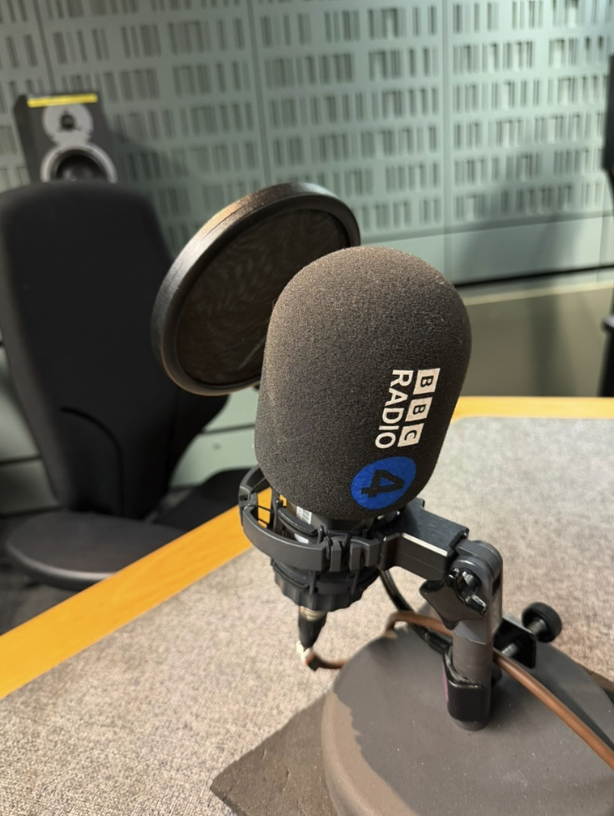
BBC Front Row
MEDIA APPEARANCE
—
Discussing why a number of high-profile actors have agreed to have their images and voices cloned for use by AI. Listen on BBC Sounds.
It’s a joke my family has made about me for years - but there’s truth behind it. I’ve always loved the magic of stories on stage and on screen. Growing up, if I wasn’t in some school play, I was busy writing one of my own. As a teenager, I worked my way through entire oeuvres of Bergman, Kieslowski and Truffaut, and then Haneke, Tarkovsky and Almodóvar… I was, to put it mildly, insufferable. However, for reasons that are better explained over a glass of wine rather than a professional website, my dreams of Hollywood and/or Broadway never materialised. Instead, I left the American west coast to study at the London School of Economics, where I decided to pursue a legal career.I started out in a large, corporate firm: I learned to draft 100-page frameworks, manage high-stakes negotiations, and withstand the pressure of deals worth millions of pounds. I loved the intensity and was good at the job.But a deepfake in 2018 changed everything.
When I read Scarlett Johansson’s interview about being “deepfaked” into porn videos, I felt something shift. As journalists and victims started to shine the spotlight on deepfake porn — now more accurately referred to as intimate image abuse — campaigners rightly called for this sort of deplorable content to be criminalised. But I kept coming back to a different question: even if x-rated deepfakes were made illegal, what would stop productions from making more “innocent” deepfakes for film and TV shows? Why not create perfectly-behaved, drama-free digital replicas of actors who would never be late on set require re-shoots?If AI technology is capable of hyper-realistically cloning actors, what happens to the line between fantasy and truth? And if we remove humans from human performance, what’s left?
This wasn’t just about legal rights: it was about having the ability to decide how and when you are seen and heard. But even with the best legal team money could buy, things like copyright and privacy law are often balanced against freedom of expression, and internet regulations are often influenced by big tech.What began as an interest in protecting performers from unauthorised digital replicas soon extended into genAI expertise more broadly, primarily around manipulated and synthetic content. In 2024, I made the decision to leave the corporate law firm world to start my own practice, so I’d have fewer distractions and more freedom to take on meaningful work. At the end of the day, I’m just a girl who loves good writing, good music, and good art.
And I’m fairly certain no machine will ever do it better than we humans can. (Sorry, Elon.)
AI will impact how we work, communicate, and play together. But it cannot replace connection.
This is why I love my job.

AI is changing
how we think about
art and autonomy;
about power
and permission.
“Kelsey got lost on her way to drama school
and ended up at law school by mistake.”
It’s a joke my family has made about me for years - but there’s truth behind it. I’ve always loved the magic of stories on stage and on screen. Growing up, if I wasn’t in some school play, I was busy writing one of my own. As a teenager, I worked my way through entire oeuvres of Bergman, Kieslowski and Truffaut, and then Haneke, Tarkovsky and Almodóvar…
I was, to put it mildly, insufferable.
However, for reasons that are better explained over a glass of wine rather than a professional website, my dreams of Hollywood and Broadway never materialised. Instead, I left the American west coast to study at the London School of Economics, where I decided to pursue a legal career.
I started out in a large, corporate firm: I learned to draft 100-page frameworks, manage high-stakes negotiations, and withstand the pressure of deals worth millions of pounds. I loved the intensity and was good at the job.
But a deepfake in 2018 changed everything.
“Kelsey got lost on her way to drama school,
and ended up at law school by mistake.”
-
When I read Scarlett Johansson’s interview about being “deepfaked” into porn videos, I felt something shift. As journalists and victims started to shine the spotlight on deepfake porn — now more accurately referred to as intimate image abuse — campaigners rightly called for this sort of deplorable content to be criminalised.
But I kept coming back to a different question: even if x-rated deepfakes were made illegal, what would stop productions from making more “innocent” deepfakes for film and TV shows? Why not create perfectly-behaved, drama-free digital replicas of actors who would never be late on set require re-shoots?
If AI technology was capable of hyper-realistically cloning actors, what happens to the line between fantasy and truth?
If we remove humans from human performance, what’s left?
This wasn’t just about legal rights: it was about having the ability to decide how and when you are seen and heard. But even with the best legal team money could buy, things like copyright and privacy law are often balanced against freedom of expression, and internet regulations are often influenced by big tech.
What began as an interest in protecting performers from unauthorised digital replicas soon extended into genAI expertise more broadly, primarily around manipulated and synthetic content.
In 2024, I made the decision to leave the corporate law firm world to start my own practice, so I’d have fewer distractions and more freedom to take on meaningful work.
At the end of the day, I’m just a girl who loves good writing, good music, and good art.
And I’m fairly certain no machine will ever do it better than we humans can.
(Sorry, Elon.)