
ARTIFICIAL
Artificial
intelligence
Since 2019, I’ve been advising on AI issues where stories, creativity, and identity matter most. Some of my clients embrace AI, while others want to press back against it. Many don’t yet know what to do. But wherever they are, I’ll meet them there.
Since 2019, I’ve been advising on the full range of AI matters for sectors where stories, creativity, and identity matter most — including film, TV, immersive theatre, literature, music, ecommerce, and journalism. Some of my clients embrace AI, while others want to press back against it. Many don’t yet know what to do.
But wherever they are, I’ll meet them there.
Popular Requests
-
Contract review or negotiation — for when you’re considering whether to license your voice, likeness, content, or other data to an AI company, and need to understand the risks, rights, and real-world implications of IP, consent, usage, confidentiality, and downstream control.
-
Plain-English T&Cs breakdown with red flags and practical advice — for when you’re using (or want to use) an AI service and want to know what you’re agreeing to, and what you might be giving up, especially around things like confidentiality, copyright, and consents.
-
For when your work involves AI-generated or AI-assisted content — and the usual contributor agreements don’t quite stretch to cover it. You might need to update the fine print to ensure risks concerning things like ownership, transparency, liabilities, intellectual property, attribution, and payment are addressed.
-
Making sense of overlapping obligations and guidance — for when you want to know whether (and if so, how) to tell your audience, buyers, or commercial partners that you’re using AI. The law is full of grey zones, so the job is less about “ticking a compliance box” and more about understanding pressure points.
-
Practical guidance and policies tailored to your workflows, values, and legal obligations — for when your team is using AI and you need a clear, human policy that covers responsible use, ethics, legal risk, reputational exposure, and day-to-day guidance.
-
Updating documents and contractual precedents — for when you want AI-specific protections, such as limiting the types of AI tools your freelancers can use on projects, or ensuring that your likeness can’t be digitally manipulated without your permission.
I’m often asked to identify risks, but the most rewarding part of my job is helping clients decide what to do next — whether that means signing on the dotted line, going back to the drawing board, or walking away.
-
Contract review or negotiation — for when you’re considering how you can use AI to modify or generate your work. My advice regularly extends beyond the fine print: I think it’s important to cover the business and reputational issues, too. That’s how we can understand the risks, rights, and real-world consent, scope of use, confidentiality, autonomy, and control.
And if you’re considering voice cloning or digital replicas, I’m always here to discuss how it might impact the real person behind the screen.
Visit my contracts page for more on how I approach the fine print.
-
Plain-English T&Cs breakdown with red flags and practical advice — for when you’re using (or want to use) an AI service and want to know what you’re agreeing to, and what you might be giving up, especially around things like confidentiality, copyright, and consents.
Visit my contracts page for more on how I approach the fine print.
-
For when your work involves AI-generated or AI-assisted content — and the usual contributor agreements don’t quite stretch to cover it. You might need to update the fine print to ensure risks concerning things like ownership, transparency, liabilities, intellectual property, attribution, and payment are addressed.
Visit my contracts page for more on how I approach the fine print.
-
Making sense of overlapping obligations and guidance — for when you want to know whether (and if so, how) to tell your audience, buyers, or commercial partners that you’re using AI. The law is full of grey zones, so the job is less about “ticking a compliance box” and more about understanding pressure points.
-
Practical guidance and policies tailored to your workflows, values, and legal obligations — for when your team is using AI and you need a clear, human policy that covers responsible use, ethics, legal risk, reputational exposure, and day-to-day guidance.
Visit my contracts page for more on how I approach the fine print.
-
Updating documents and contractual precedents — for when you want AI-specific protections, such as limiting the types of AI tools your freelancers can use on projects, or ensuring that your likeness can’t be digitally manipulated without your permission.
Visit my contracts page for more on how I approach the fine print.


My Approach
-
CONTRACTS · CONSENT · REGULATION · COPYRIGHT · EU AI ACT · TRANSPARENCY
A legal perspective focuses on the dynamics between businesses and people, and between people and their work — what's allowed, who owns what, and how risk is shared. Good legal advice will account for a client's commercial and creative goals, the tech they're using, and the bigger social and industry picture, too.
-
IDEAS & PEOPLE · IDENTITY · NARRATIVE INTEGRITY · CREATIVE CONTROL · VOICE · VISION
A creative perspective focuses on the story and the people behind it. Those things don't always translate easily into contracts or deals, and the gap between intent or inspiration and legal implications can be significant. Bridging that gap means taking the work seriously on its own terms, not just as something to be monetised.
-
CONTENT QUALITY · DISCLOSURE · TALENT · CONTRIBUTORS · BRAND · EDITORIAL GUIDELINES
From moodboards and drafts through to production and publication, the commercial perspective focuses on how content is developed, made, sold, paid for, and shared. In addition to the money side of things, it’s important account for what really happens on set, on air, and behind closed doors.
-
AI & ITS PRACTICAL CONTEXT · T&Cs · CONFIDENTIALITY · PROMPTS · DATASETS · IT SECURITY · LIABILITY
A platform perspective zeroes in on the technology being used: how it's built, who's building it, and what it actually does. Knowing how tech companies (and their CEOs) think and act makes for much sharper advice — and much better protection.
-
SOCIAL & INDUSTRY IMPLICATIONS · HUMAN IN THE LOOP · ETHICS · BIAS · MISINFORMATION · SUSTAINABILITY
The big picture includes things like AI’s impact on jobs, pay, representation, trust, and the climate crisis. Keeping pace with these concerns means following the policy debates and research closely, while keeping people at the centre of the conversation,
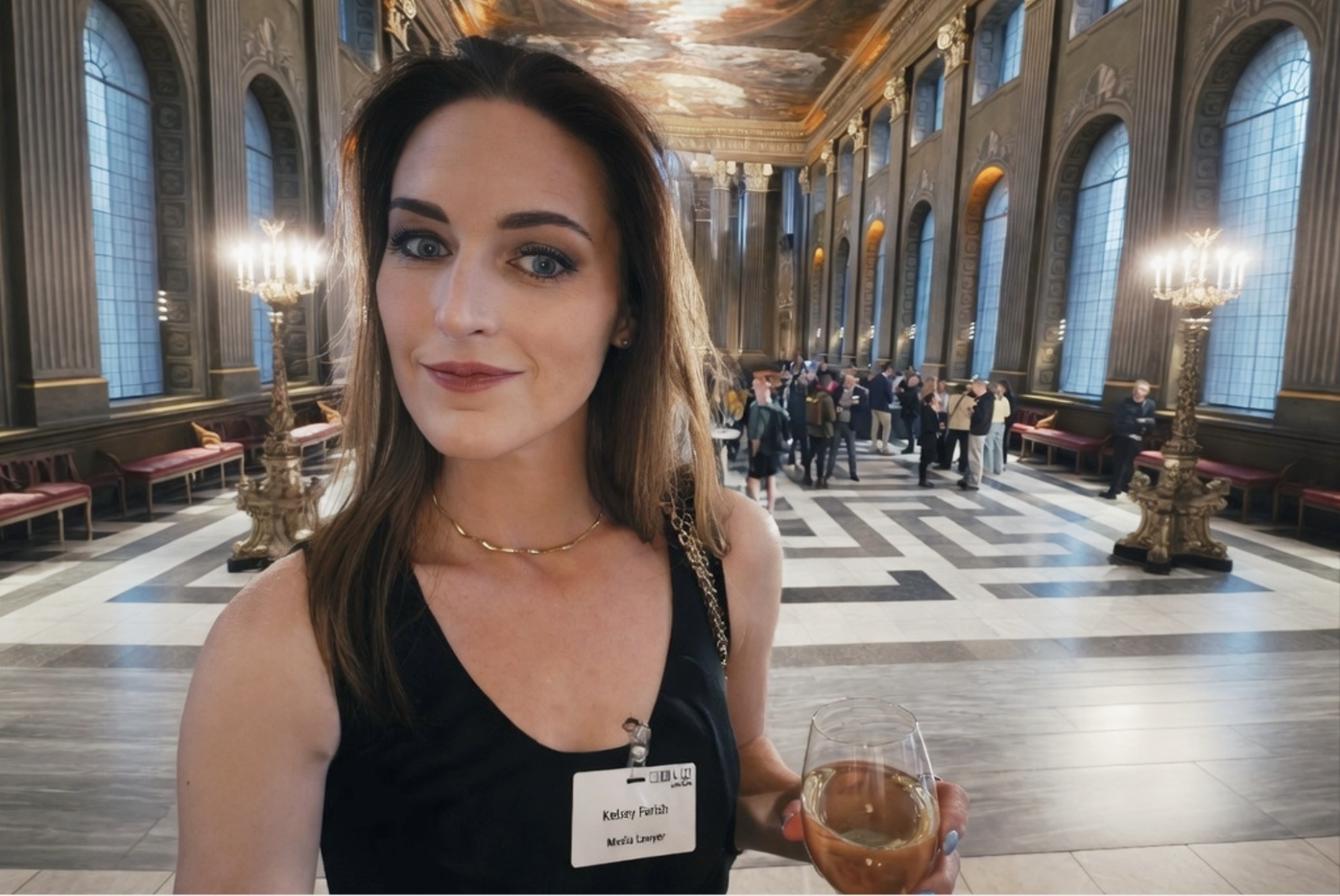
After spending nearly a decade in corporate London firms, I set up my own practice to have better client relationships, fewer distractions, and the freedom to take on more meaningful work. There are no gatekeepers, no assistants — it’s just me.