Film London at the Painted Hall
Don't let the black dress and glass of wine fool you - my work is not especially glamorous. A lot of my job involves the least cinematic parts of the screen sector: drafting, negotiating, sense-checking, and trying to make sure the fine print actually holds together in real life.
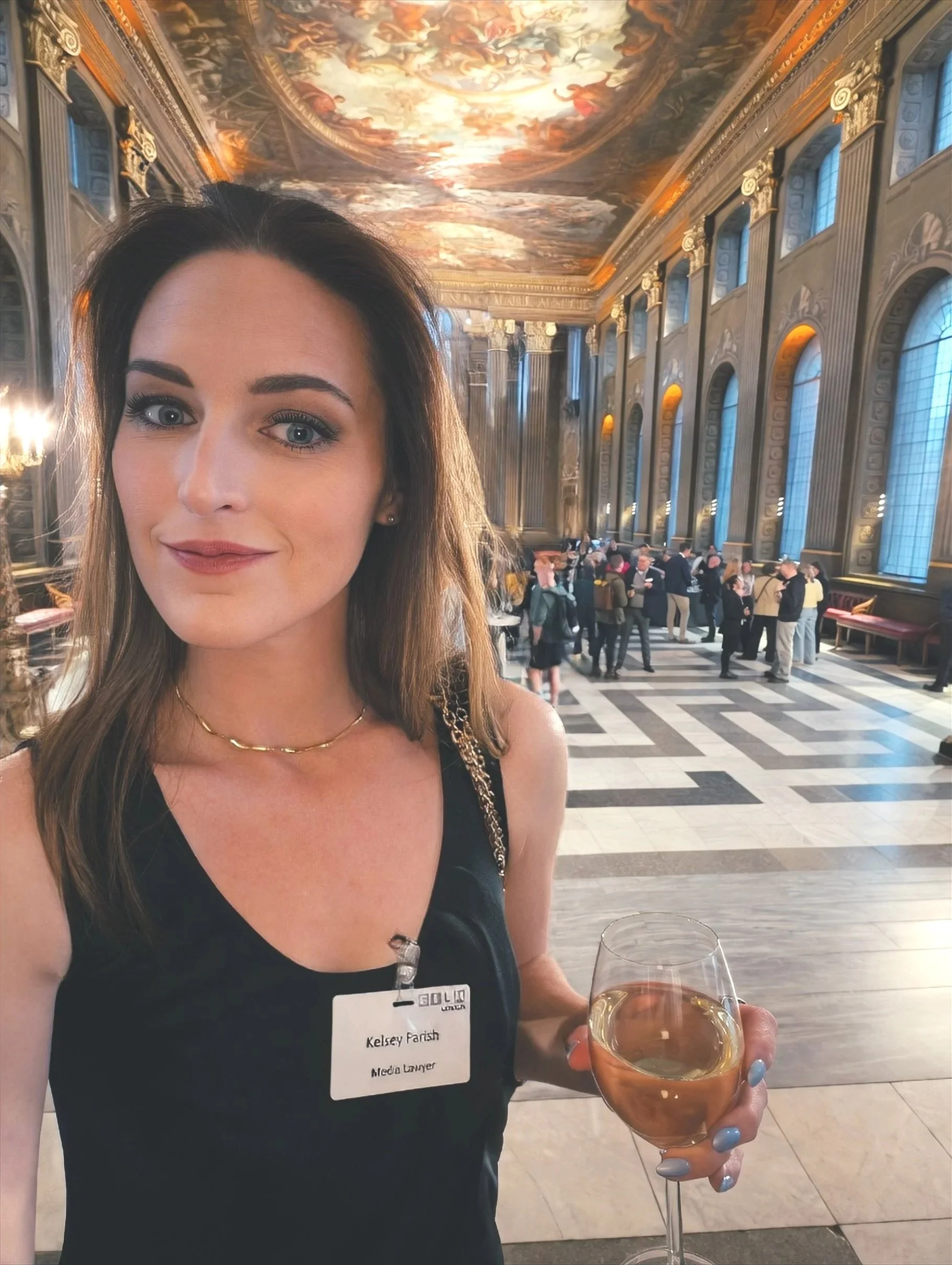
There are some spaces that make you stop short when you walk in, as if your body has registered their scale before your brain catches up. For me, the Painted Hall at the Old Royal Naval College is one of them.
Designed by Sir James Thornhill and painted between 1707 and 1726, the Painted Hall is one of those rare places that feels both monumental and unexpectedly exacting: all allegory, grandeur, and theatrical scale, but also a quiet reminder of the sheer labour, planning, and technical skill required to make beauty feel effortless.
The walls and ceilings span more than 3,700 square metres and depict around 200 figures, including monarchs, gods, and mythological creatures. Originally created as part of the Royal Hospital, three centuries later it still has the power to stop people in their tracks — and that is part of what made last week’s Film London event such a good one.
The setting was beautiful, obviously, but it also felt apt - because filming in heritage spaces like this involves managing a delicate tension between production and preservation, between atmosphere and admin.
As the capital’s screen industries agency, Film London plays an important role in promoting London’s position as a global film & TV production hub. It works with more than 500 organisations, venues, and public bodies to help productions use the city as their backdrop. But of course, a location like this is never “just” a backdrop. Behind every “yes” sits a more complicated set of questions about responsibility, trust, and legacy,
What does it take to say yes to a production without losing sight of what needs to be protected? How do you find the right balance between structure and flexibility, so that filmmakers and location managers feel secure? And from a practical and physical perspective, how do you keep cast, crew, and members of the public safe without damaging the site itself?
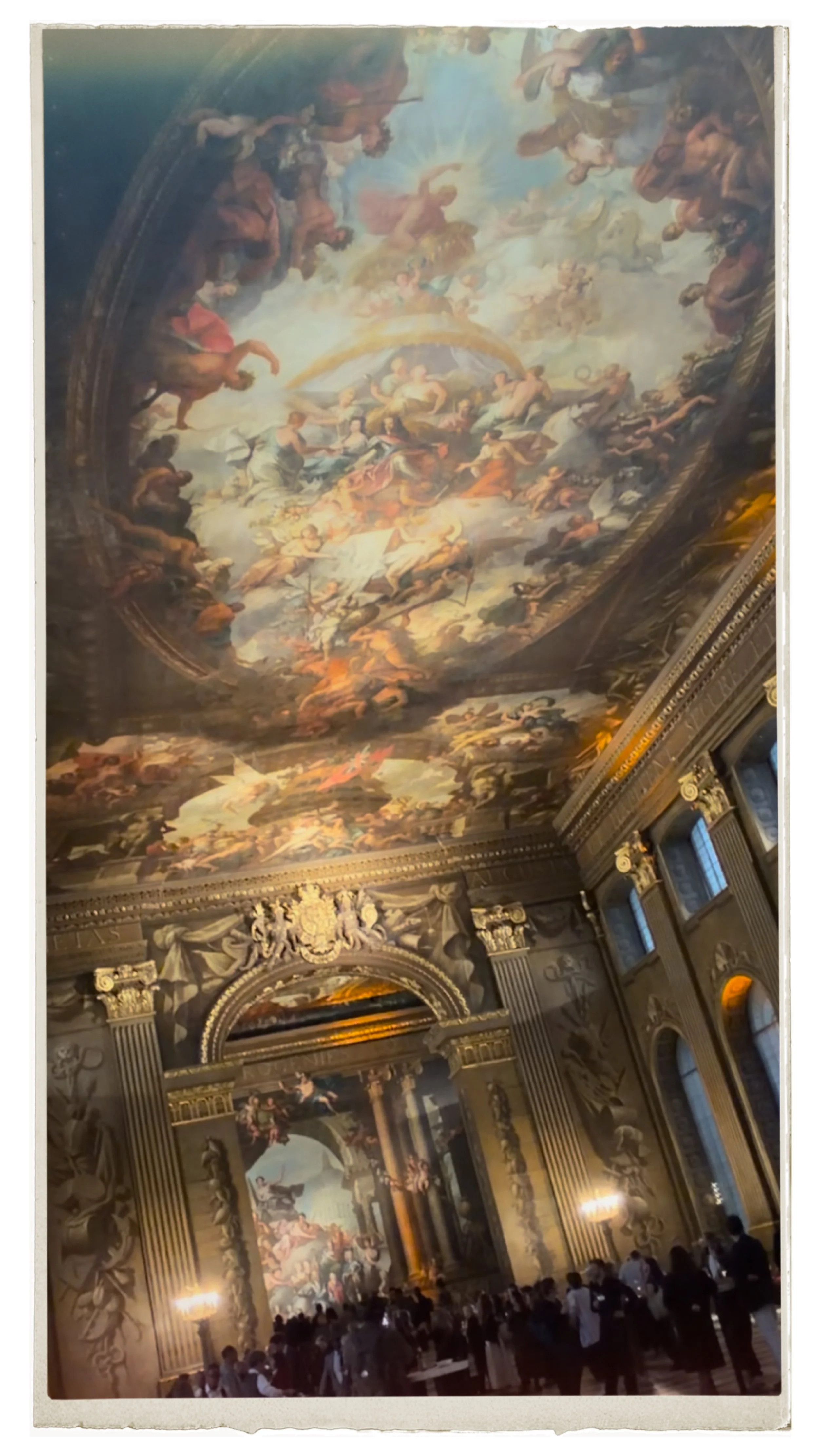
I know things like intellectual property licences and indemnities may seem rather dull - especially when set against an illuminated Baroque ceiling. But being in that space reminded me why I love this work so much.
That came up in different ways in the conversations I had with people from the National Trust, St Paul’s Cathedral, the Postal Museum, BearJam Productions, CIISA, FilmFixer, and the Old Royal Naval College itself.
And without a doubt, these are the kinds of conversations I enjoy most, because contracts and negotiations are so much more than legalese. They are about people, pressure, ambition, timing, money, taste, and trust. Every agreement has its own tensions, its own dynamics, and its own version of the story that each side is trying to protect.
This is especially true when it comes to location agreements, especially when the use of AI and advanced scanning technologies is concerned. We now have to consider not only what will be captured on the day and how it will be used on screen, but what happens next — because footage and other recorded material can easily become the basis for visual assets far beyond the sope of the original production.
That’s why I try to draft contracts for real life — because a good deal isn’t the one that just looks impressive on paper. It’s the one that’s built to last. The one that’s clear enough to follow, strong enough to enforce, and flexible enough to adapt as the story evolves.
So although drafting the fine print is rarely glamorous, it’s where creativity, talent, and practical reality are brought together so filming can actually happen.
*For more information on filming at historic locations,
be sure to also check out the Heritage Filming Alliance!