Medientage München
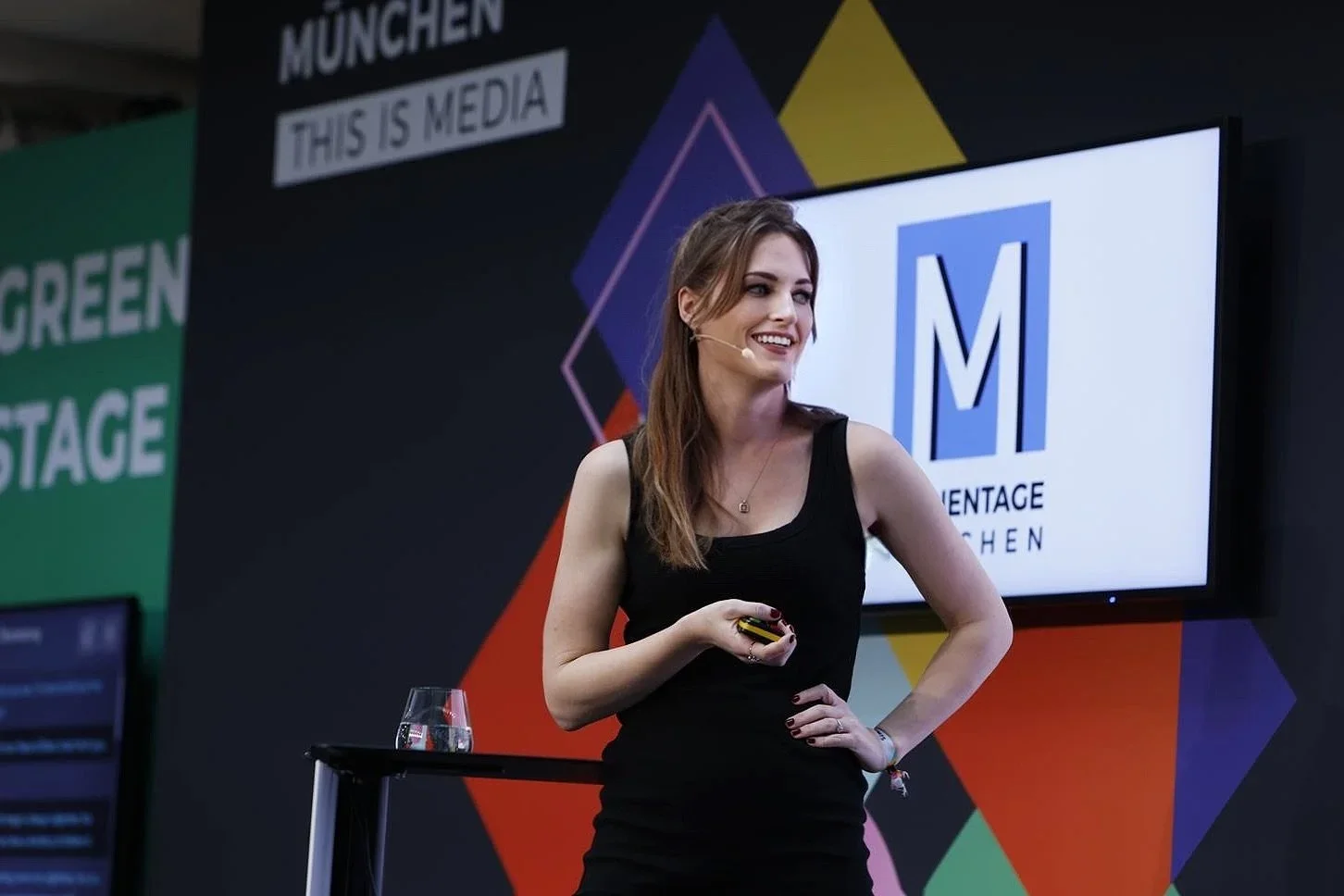
I delivered a keynote at Medientage München (Munich Media Days), one of Europe's leading media conferences which brings together over 5,000 industry professionals across TV, radio, digital publishing, and increasingly — AI.
24 October 2025
AI generated personas are often considered a threat. but they may also be a type of mirror — one that reflects not only technological capability, but our own assumptions about human authenticity, autonomy, and control.
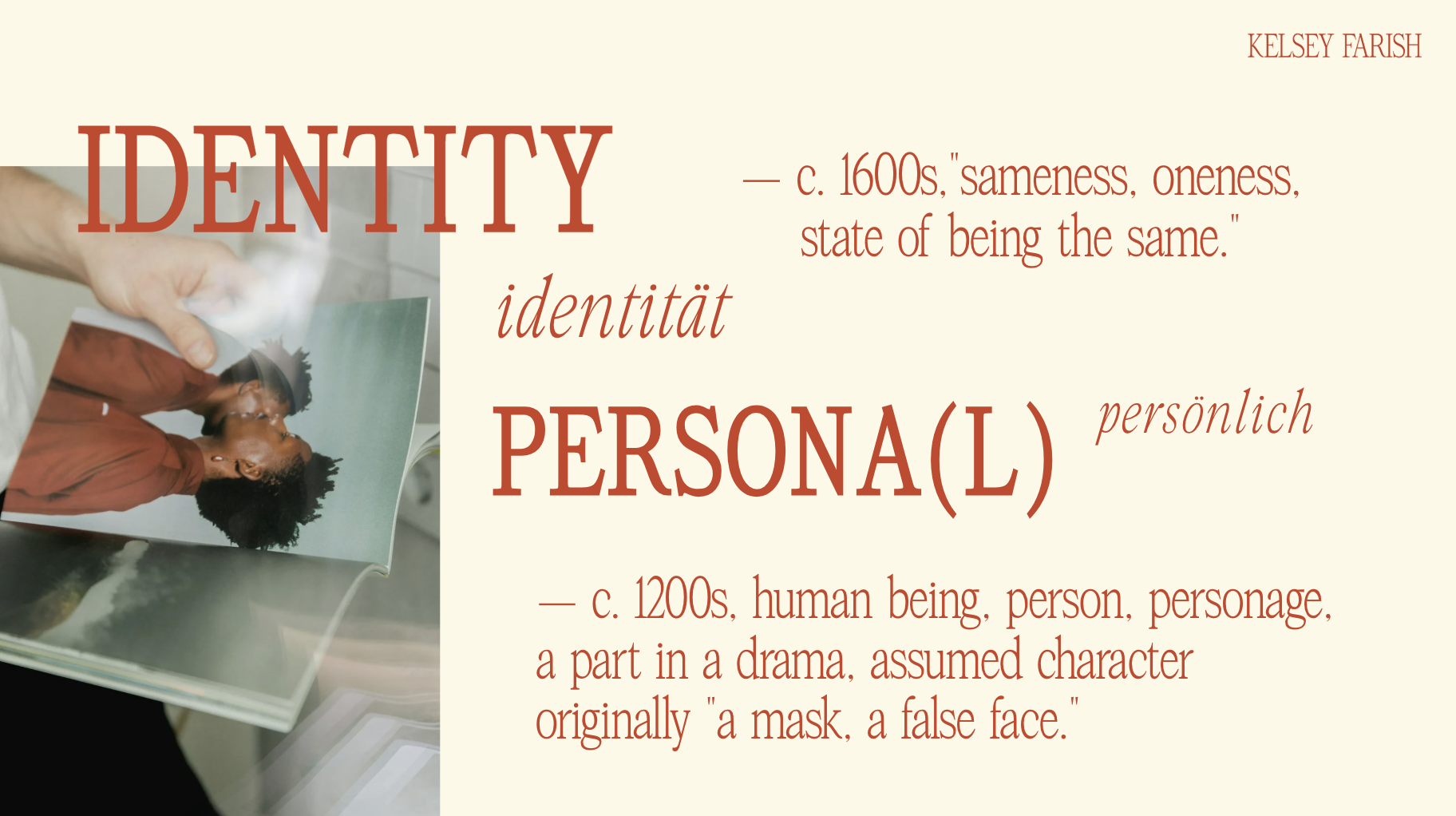
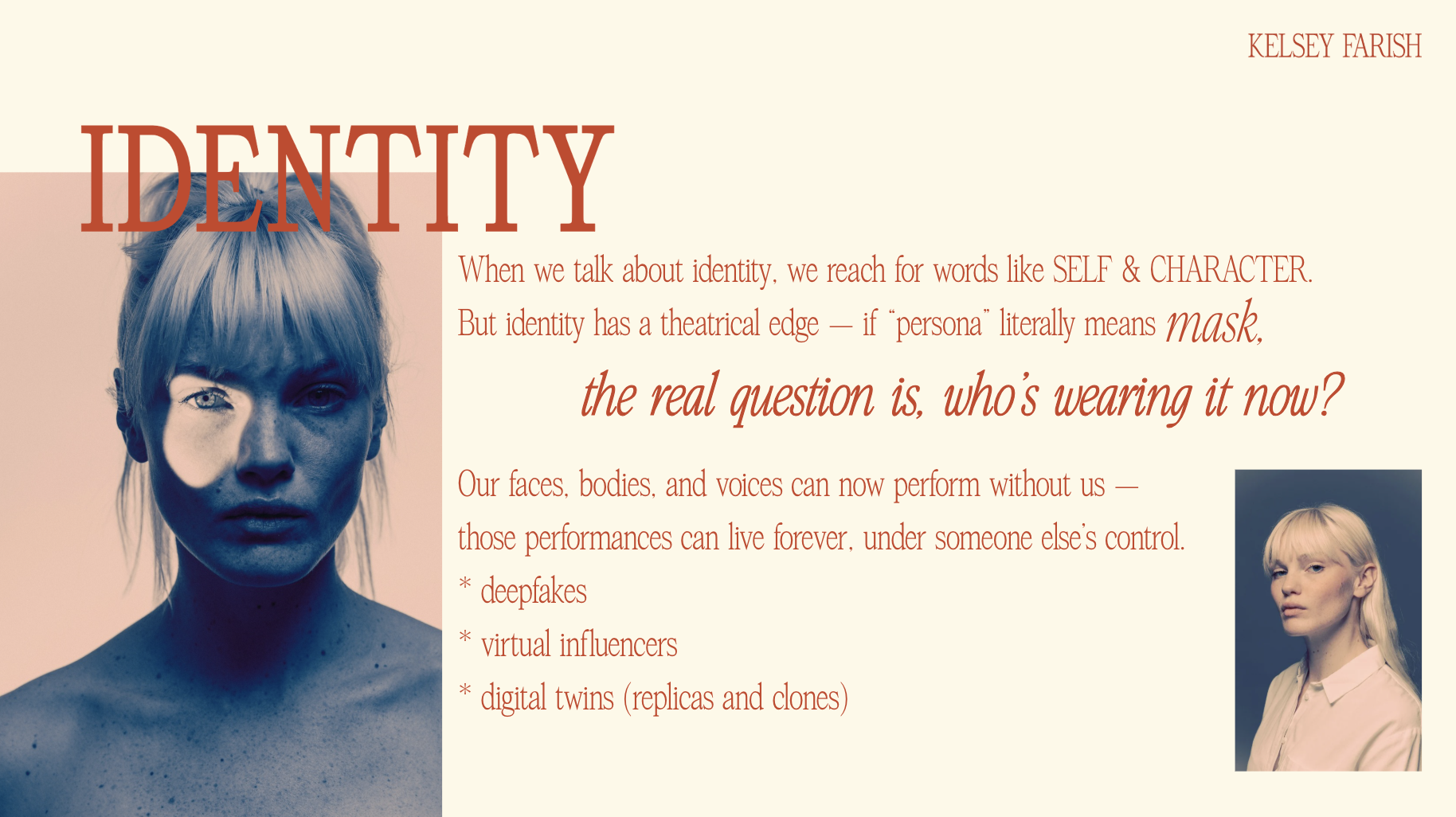
AI-generated personas are not simply a regulatory or technological issue. They pose questions of identity: how it is defined, performed, inferred, and ultimately governed. Beginning with the historical and linguistic roots of identity and persona, I traced how concepts once grounded in sameness, character, and theatrical masks have taken on new meaning in an era where faces, voices, and behaviours can be simulated — sometimes without consent.
Within this framework, deepfakes, virtual influencers, and digital twins were positioned as different expressions of the same underlying shift: the separation of human presence from human control.
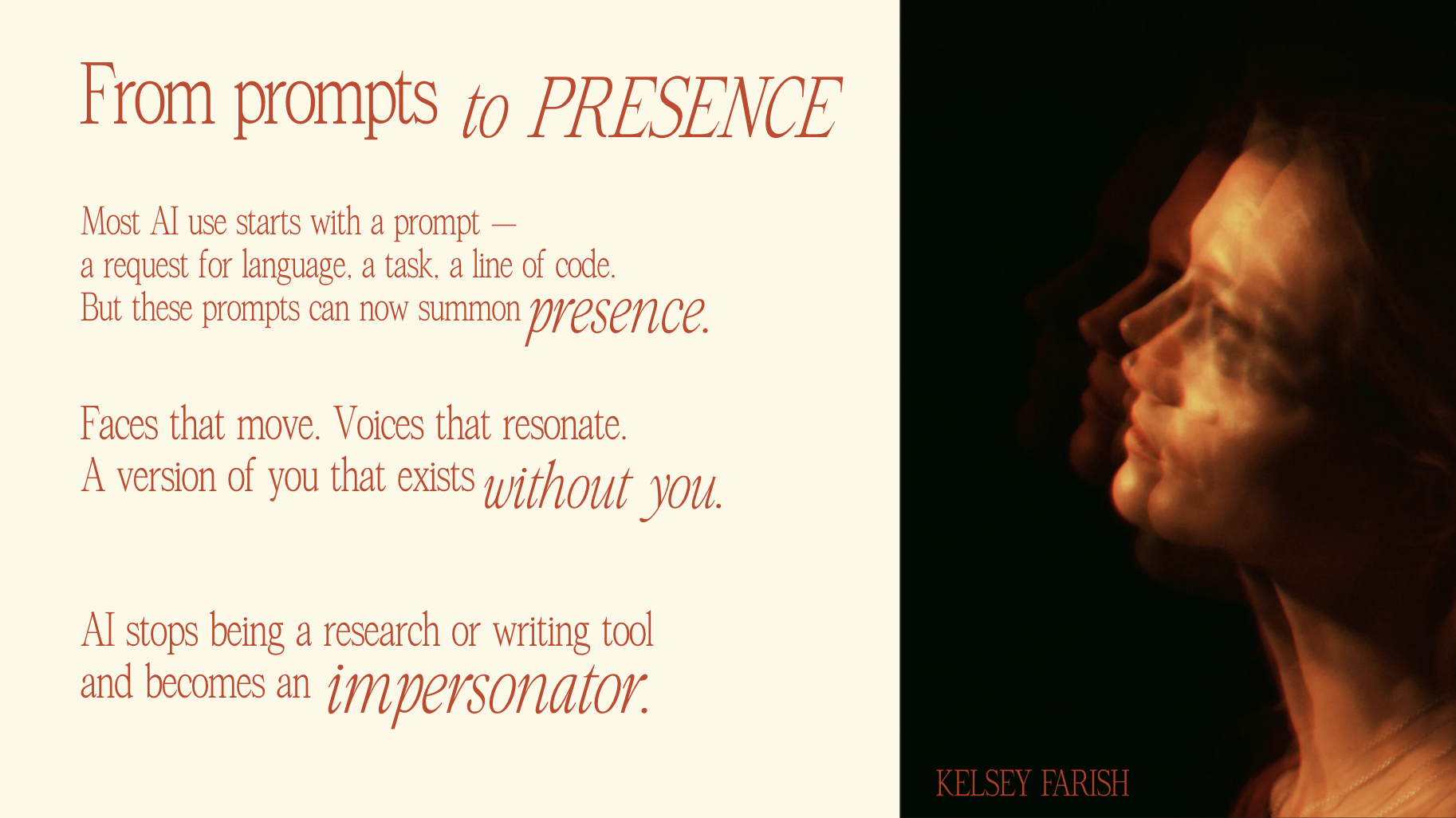
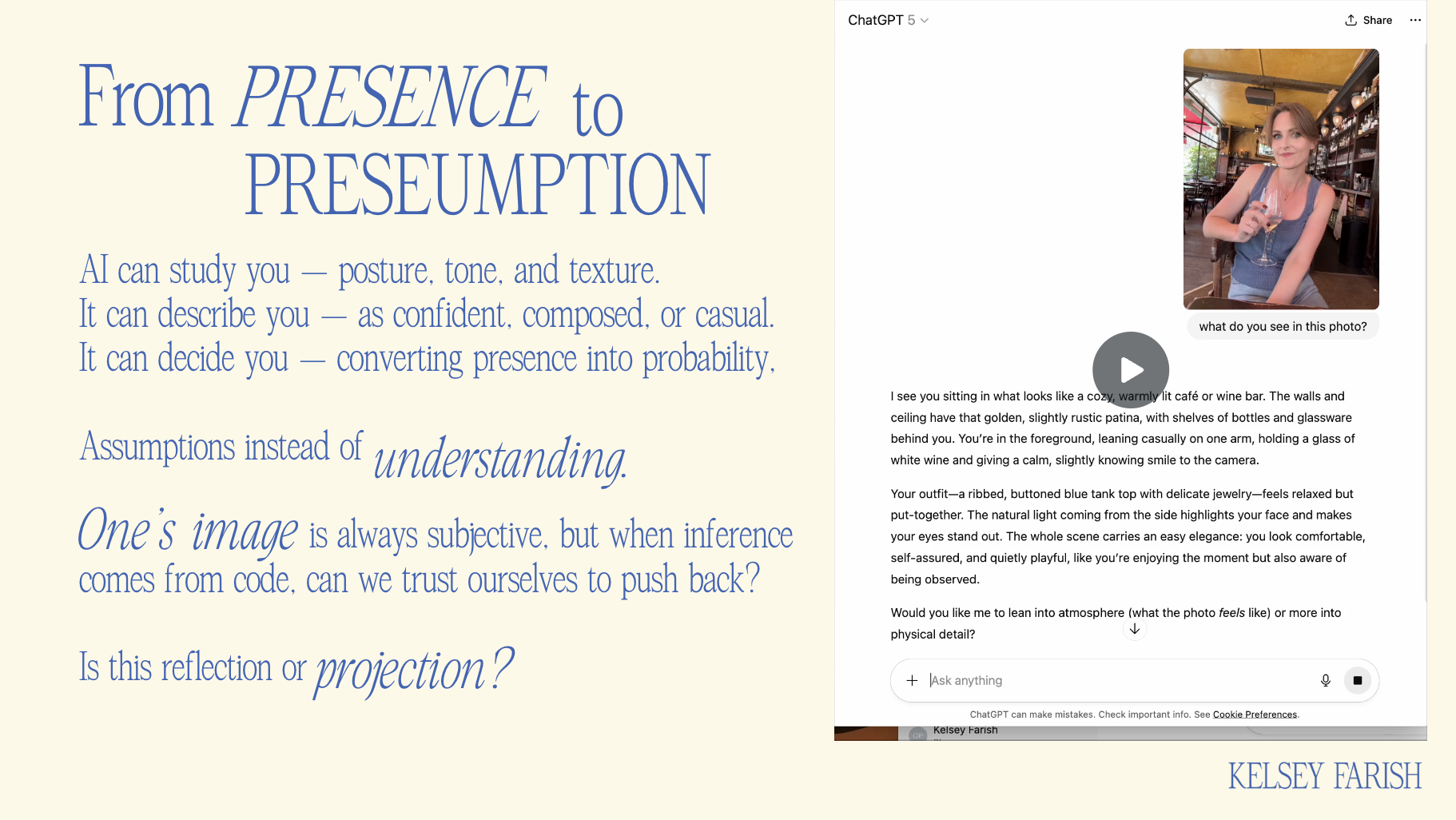
Through examples drawn from computer vision and voice synthesis, the keynote explored how algorithms increasingly interpret people — producing adjectives, assumptions, and narratives that can subtly shape how individuals are perceived by audiences, platforms, and institutions. This movement from prompt to presence to presumption raises novel questions about authorship, bias, and our collective ability to resist machine-generated characterisation.
A voice-cloning project was used as an anonymised case study to examine where legal principles meet lived reality. While regulatory frameworks such as the EU AI Act and the UK Online Safety Act establish important guardrails around transparency and accountability, the keynote argued that the most meaningful protections for human identity are often found elsewhere: in contracts, platform design choices, and cultural norms. The voice, as both signal and soul, was positioned “as the most intimate site of risk”.
❝ The most intimate — and arguably the most dangerous — characteristic to be digitally replicated is the voice. Because the voice is both signal and soul. It’s the only part someone that can cross a room without their body. A voice carries logic, emotion, and breath. A voice can calm you, or command you. And yet, under the law a voice is treated as either data or commercial asset, despite being experienced as deeply personal. ❞
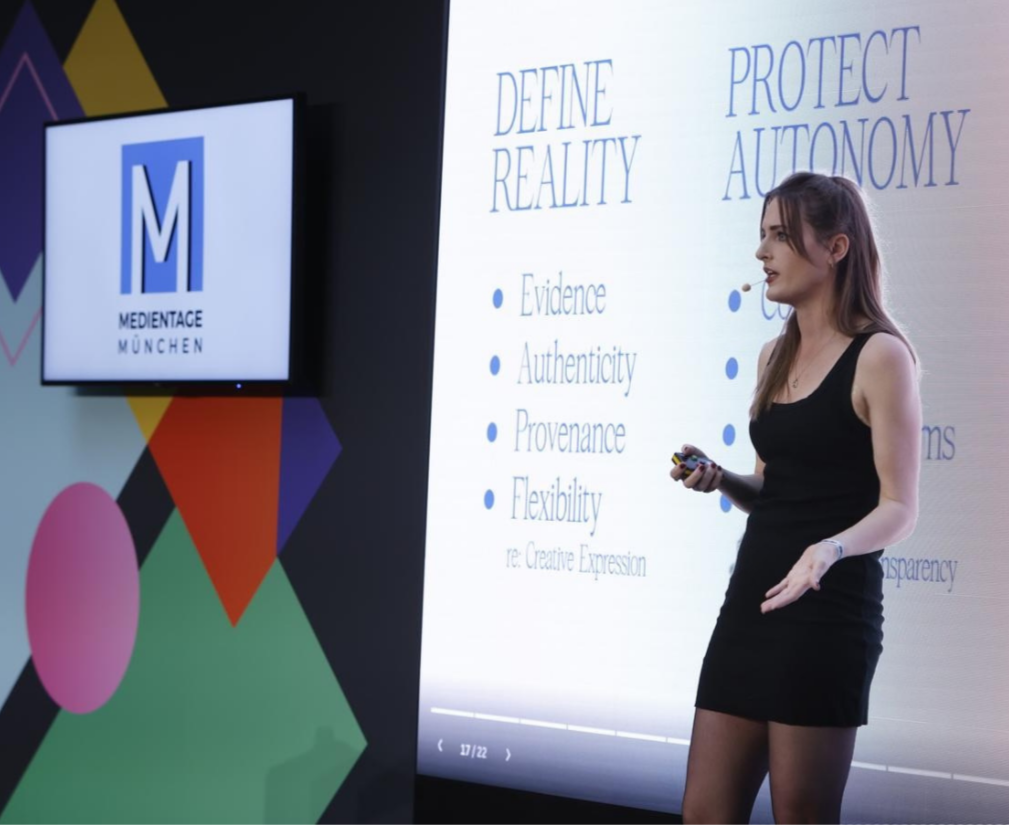
The keynote concluded by proposing a practical but values-driven framework for media professionals, structured around three core aims: defining reality, protecting autonomy, and balancing power. Rather than advocating reactionary adoption or outright resistance, the talk invited audiences to think more carefully about how AI is integrated into creative and commercial ecosystems — and about who gets to decide how human identity is represented, replicated, and monetised.