Voice Cloning — what does it mean for actors and audiences?
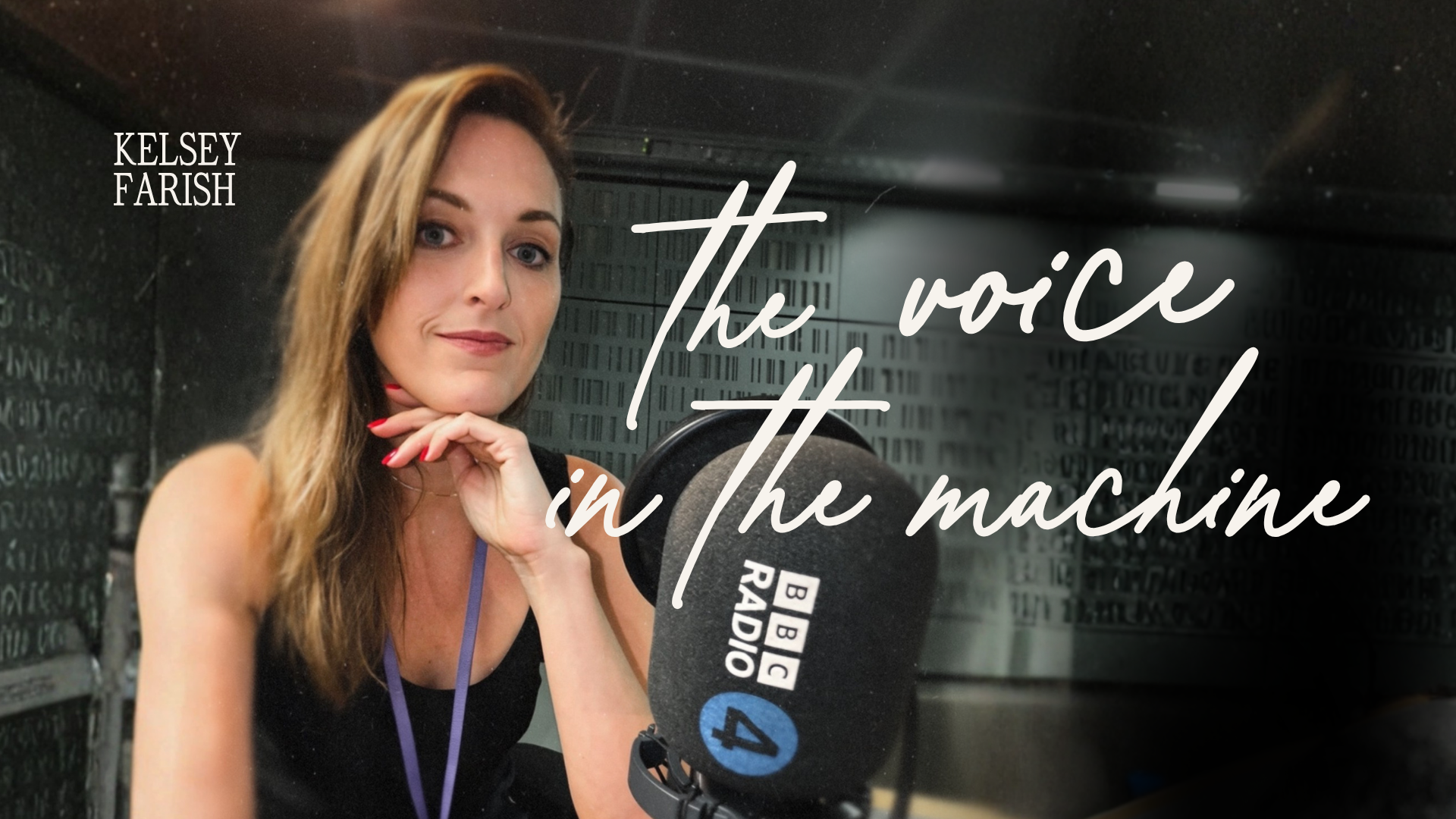
I was invited on air for BBC Radio 4’s Front Row to discuss ElevenLab’s officially licensed AI Michael Caine audiobook The Odyssey — and why some actors (or their estates) are signing up to have their voices cloned.
It's easy to dismiss voice cloning as if it is just another AI tech bro's trick: feed enough audio into a system, generate a replica, press play.
But the human voice is not just sound.
It is accent, age, breath, memory, class, place, timing, tone, hesitation, performance, habit, injury, intimacy, and recognition. It is how we tell stories, how we comfort people, how we command a room. It is how we argue, flirt, inform, persuade, grieve. The voice is how we become familiar to one another.
Even when the technology is impressive, “sounds like” is not the same as “speaks like”. With AI clones, plosives - those little pops and puffs of air - can hit too hard. Vocoder artefacts like metallic buzzes and scratches can appear as hangovers from the synthesising process. A voice may suddenly shift accent or timbre mid-sentence, and the wrong emphasis on a single word can change the meaning of a sentence entirely. Take “content” as an example – do you mean satisfied, or material?
Of course, the technology is just one part of the equation. On Front Row, we talked about why actors might agree to license their voices, how these deals are structured, what kind of control performers may or may not have, and why the answer often depends on bargaining power. While an A-lister may be able to negotiate tight restrictions, time limits, legacy protections and serious money, a jobbing actor might be lucky to get a day rate for recording sessions.
As someone who has supported voice actors behind several of the world’s most popular chatbots, I know there's a lot at stake for performers.
But this is not just an issue for Hollywood and celebrities, and in our latest episode of the AI & the Creative Professional podcast – a clip from which is below – my co-host Kat and I picked up on this point in more detail.
Most of us now leave recordings of ourselves all over the place: podcasts, videos, webinars, interviews, work calls, dating apps, WhatsApp voice notes... the list goes on. You don't need to be Michael Caine for your voice to be recognisable, personal, or capable of being misused.
This is where the legal issues get sharper – and it's about far more than just consent or copyright.
It's about dignity, reputation, legacy, and the right to not have someone else's words put in your mouth.
Want to receive occasional insights from me on AI, copyright, and other media law stuff?
